
In medical literature and clinical practice, desmoid tumors may also be referred to as aggressive fibromatosis, desmoid-type fibromatosis, or deep fibromatosis




Atif Hussein, MD
Program Director, Hematology Oncology Fellowship Program
Memorial Cancer Institute
Hollywood, Florida
“Desmoid tumors can pose a significant burden for patients. In my practice, I follow the NCCN Clinical Practice Guidelines in Oncology (NCCN Guidelines®) recommendations for initiating treatment when my patients have worsening symptoms, tumor growth documented on imaging, or impairment of functioning or daily activities.
Referenced with permission from the NCCN Clinical Practice Guidelines in Oncology (NCCN Guidelines®) for Soft Tissue Sarcoma V.3.2026. © National Comprehensive Cancer Network, Inc. 2026. All rights reserved. Accessed March 13, 2026. To view the most recent and complete version of the guideline, go online to NCCN.org. NCCN makes no warranties of any kind whatsoever regarding their content, use or application and disclaims any responsibility for their application or use in any way.
Dr Atif Hussein is a paid consultant of SpringWorks Therapeutics, Inc.
Desmoid tumor
management
See how desmoid tumor management is evolving

OGSIVEO clinical
trial results
Examine data from the DeFi study
OGSIVEO dosing
Review dosing and dose modifications for OGSIVEO
OGSIVEO use for
desmoid tumors
Explore insights for your region


Atif Hussein, MD
Program Director, Hematology Oncology Fellowship Program
Memorial Cancer Institute
Hollywood, Florida
Atif Hussein, MD
Program Director, Hematology Oncology Fellowship Program
Memorial Cancer Institute
Hollywood, Florida
Referenced with permission from the NCCN Clinical Practice Guidelines in Oncology (NCCN Guidelines®) for Soft Tissue Sarcoma V.3.2026. © National Comprehensive Cancer Network, Inc. 2026. All rights reserved. Accessed March 13, 2026. To view the most recent and complete version of the guideline, go online to NCCN.org. NCCN makes no warranties of any kind whatsoever regarding their content, use or application and disclaims any responsibility for their application or use in any way.
Dr Atif Hussein is a paid consultant of SpringWorks Therapeutics, Inc.
Even though they do not metastasize, desmoid tumors often interfere with everyday activities and can be life-threatening1,2
Desmoid tumor characteristics:2,3,5,6
Rare
Locally aggressive
Unpredictable clinical course
Vital organs can be impacted
Desmoid tumors are associated with a potentially high and multifaceted burden of illness:4,*
Pain
Disfigurement
Decreased physical function
In focus groups and interviews, patients reported that pain was the most debilitating symptom of desmoid tumors1,†
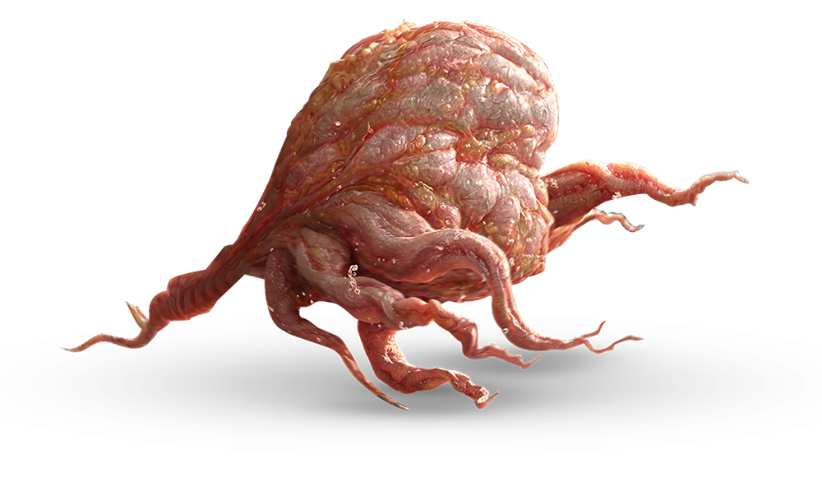
In medical literature and clinical practice, desmoid tumors may also be referred to as aggressive fibromatosis, desmoid-type fibromatosis, or deep fibromatosis
Data from a Memorial Sloan Kettering/Desmoid Tumor Research Foundation patient-reported outcome (PRO) validation study that included patients with desmoid tumors (n=31, age range 20-68, 77% female). Patients participated in 60-minute qualitative phone interviews to provide their perspectives on disease symptoms and impact on their quality of life. The majority of the patients in this study were symptomatic (84%). Tumor site and type varied across patients. The concepts discussed during interviews were used to develop a draft patient-reported outcome scale, which was further refined in cognitive interviews of additional patients with desmoid tumors (n=15).4
Twenty-seven patients with desmoid tumors were interviewed from the Royal Marsden Hospital in the United Kingdom. Two focus groups and 13 interviews explored health-related quality of life issues and experiences of health care related to their desmoid tumors.1
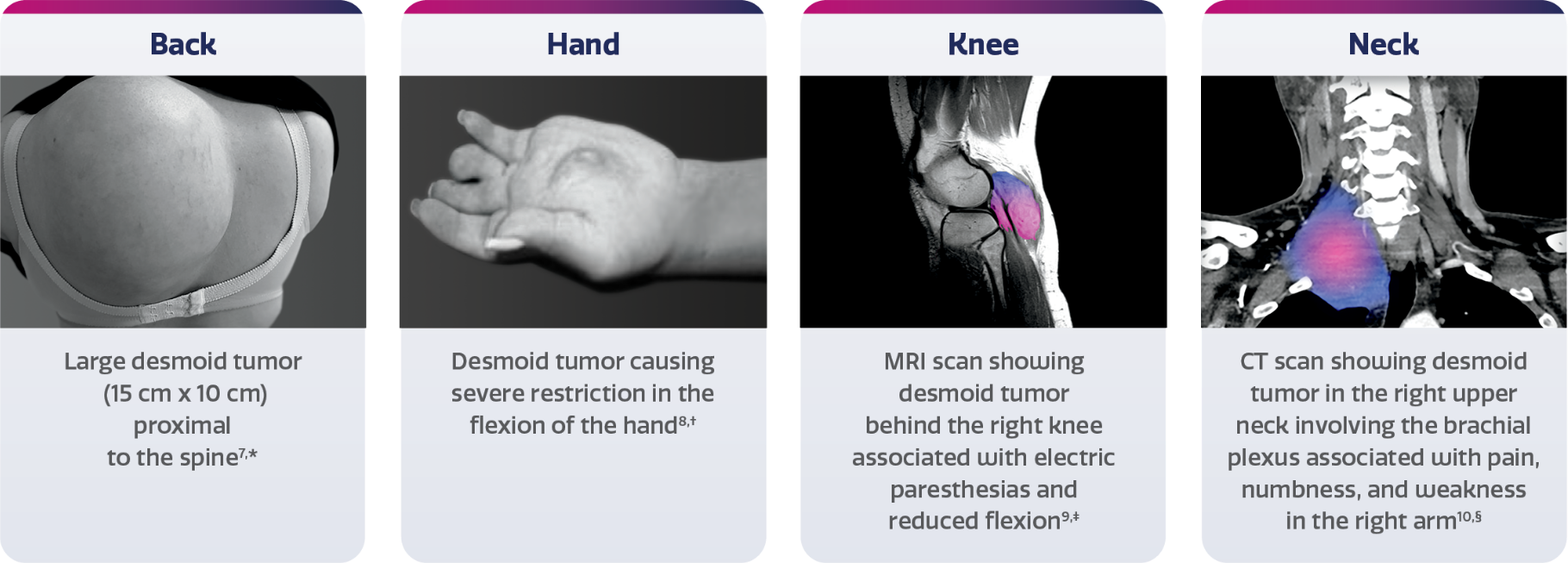

Image adapted from Cohen S, et al. World J Surg Oncol. 2008;6:28. Reused under Creative Commons License 2.0 (https://creativecommons.org/licenses/by/2.0). Image background changed to gray.
Image reproduced from Scaramussa FS, et al. SM J Orthop. 2016;2(3):1036. Reused under Creative Commons License 4.0 (https://creativecommons.org/licenses/by/4.0).
Image adapted from Weschenfelder W, et al. Case Rep Surg. 2015;2015:262654. Reused under Creative Commons License 3.0 (https://creativecommons.org/licenses/by/3.0). False color added.
Image adapted from Styring E, et al. Am J Med Case Rep. 2019;7(3):36-40. Reused under Creative Commons License 4.0 (https://creativecommons.org/licenses/by/4.0). False color added.
CT, computed tomography; MRI, magnetic resonance imaging.
References: 1. Husson O, Younger E, Dunlop A, et al. Desmoid fibromatosis through the patients’ eyes: time to change the focus and organisation of care? Support Care Cancer. 2019;27(3):965-980. 2. Constantinidou A, Scurr M, Judson I, Litchman C. Clinical presentation of desmoid tumors. In: Litchman C, ed. Desmoid Tumors. Springer; 2012:chap 2. Accessed October 4, 2024. https://www.researchgate.net/publication/226455135 3. Kasper B, Baumgarten C, Garcia J, et al. Desmoid Working Group. An update on the management of sporadic desmoid-type fibromatosis: a European Consensus Initiative between Sarcoma Patients EuroNet (SPAEN) and European Organization for Research and Treatment of Cancer (EORTC)/Soft Tissue and Bone Sarcoma Group (STBSG). Ann Oncol. 2017;28(10):2399-2408. 4. Gounder MM, Maddux L, Paty J, Atkinson TM. Prospective development of a patient-reported outcomes instrument for desmoid tumors or aggressive fibromatosis. Cancer. 2020;126(3):531-539. 5. Penel N, Chibon F, Salas S. Adult desmoid tumors: biology, management and ongoing trials. Curr Opin Oncol. 2017;29(4):268-274. 6. Sbaraglia M, Bellan E, Dei Tos AP. The 2020 WHO Classification of Soft Tissue Tumours: news and perspectives. Pathologica. 2021;113(2):70-84. 7. Cohen S, Ad-El D, Benjaminov O, Gutman H. Post-traumatic soft tissue tumors: case report and review of the literature a propos a post-traumatic paraspinal desmoid tumor. World J Surg Oncol. 2008;6:28. 8. Scaramussa FS, Castro UB. Desmoid tumor in hand: a case report. SM J Orthop. 2016;2(3):1036. 9. Weschenfelder W, Lindner R, Spiegel C, et al. Desmoid tumor of the popliteal fossa during pregnancy. Case Rep Surg. 2015;2015:262654. 10. Styring E, Ahlstrom M, Rissler P, et al. Desmoid fibromatosis in the brachial plexus mimicking an ulnar nerve entrapment. Am J Med Case Rep. 2019;7(3):36-40.


Victoria Rizk, MD
Medical Oncologist, Sarcoma
Tampa General Hospital Cancer Institute
Tampa, Florida
Victoria Rizk, MD
Medical Oncologist, Sarcoma
Tampa General Hospital Cancer Institute
Tampa, Florida
Referenced with permission from the NCCN Clinical Practice Guidelines in Oncology (NCCN Guidelines®) for Soft Tissue Sarcoma V.3.2026. © National Comprehensive Cancer Network, Inc. 2026. All rights reserved. Accessed March 13, 2026. To view the most recent and complete version of the guideline, go online to NCCN.org. NCCN makes no warranties of any kind whatsoever regarding their content, use or application and disclaims any responsibility for their application or use in any way.
Dr Victoria Rizk is a paid consultant of SpringWorks Therapeutics, Inc.

Clear margins are often challenging to achieve with surgery and may require extensive resection that can lead to additional pain and functional impairment.1-4

Surgery is no longer recommended by guidelines as first-line treatment for most clinical situations5,6

Systemic therapies are recommended as a first-line treatment option for progressive, morbid, or symptomatic desmoid tumors, according to the NCCN Guidelines® and Desmoid Tumor Working Group (DTWG) Guideline.5,6,† NCCN Guidelines include the following systemic therapy agents and regimens for the treatment of desmoid tumors (aggressive fibromatosis):5,‡
Systemic (medical) therapy is recommended as a first-line option across all desmoid tumor locations by the DTWG Guideline.6
Based on retrospective, observational data. Factors associated with local recurrence postsurgery include tumor location, age of the patient, tumor size, margin status, and prior recurrence.8,13
NCCN Guidelines also recommend ablation/embolization and definitive radiation therapy as first-line treatment options for progressive, morbid, or symptomatic desmoid tumors for certain patients.5
All recommendations are Category 2A unless otherwise indicated.5
NCCN Guidelines and DTWG Guideline recommendations for initiating treatment:5,6,*

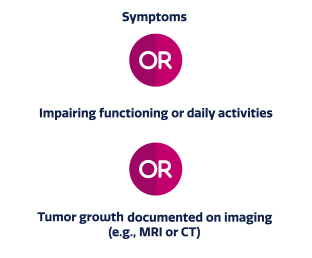
A course of ongoing observation is an appropriate option even for patients with disease progression, if the patient is minimally symptomatic and the anatomical location of the tumor is not critical.5
CT, computed tomography; MRI, magnetic resonance imaging; NCCN, National Comprehensive Cancer Network® (NCCN®).
References: 1. Lewis JJ, Boland PJ, Leung DHY, et al. The enigma of desmoid tumors. Ann Surg. 1999;229(6):866-872. 2. Bonvalot S, Desai A, Coppola S, et al. The treatment of desmoid tumors: a stepwise clinical approach. Ann Oncol. 2012;23 (suppl 10):x158-x166. 3. Skubitz KM. Biology and treatment of aggressive fibromatosis or desmoid tumor. Mayo Clin Proc. 2017;92(6):947-964. 4. Dafford K, Kim D, Nelson A, Kline D. Extraabdominal desmoid tumors. Neurosurg Focus. 2007;22(6):E21. 5. Referenced with permission from the NCCN Clinical Practice Guidelines in Oncology (NCCN Guidelines®) for Soft Tissue Sarcoma V.3.2026. © National Comprehensive Cancer Network, Inc. 2026. All rights reserved. Accessed March 13, 2026. To view the most recent and complete version of the guideline, go online to NCCN.org. NCCN makes no warranties of any kind whatsoever regarding their content, use or application and disclaims any responsibility for their application or use in any way. 6. Kasper B, Baldini EH, Bonvalot S, et al; Desmoid Tumor Working Group. Current management of desmoid tumors: a review. JAMA Oncol. 2024;10(8):1121-1128. 7. Easter DW, Halasz NA. Recent trends in the management of desmoid tumors. Summary of 19 cases and review of the literature. Ann Surg. 1989;210(6):765-769. 8. Crago AM, Denton B, Salas S, et al. A prognostic nomogram for prediction of recurrence in desmoid fibromatosis. Ann Surg. 2013;258(2):347-353. 9. Peng PD, Hyder O, Mavros MN, et al. Management and recurrence patterns of desmoids tumors: a multi-institutional analysis of 211 patients. Ann Surg Oncol. 2012;19(13):4036-4042. 10. Janssen ML, van Broekhoven DL, Cates JM, et al. Meta-analysis of the influence of surgical margin and adjuvant radiotherapy on local recurrence after resection of sporadic desmoid-type fibromatosis. Br J Surg. 2017;104(4):347-357. 11. Nuyttens JJ, Rust PF, Thomas CR Jr, Turrisi AT 3rd. Surgery versus radiation therapy for patients with aggressive fibromatosis or desmoid tumors: a comparative review of 22 articles. Cancer. 2000;88(7):1517-1523. 12. Cheon SS, Cheah AYL, Turley S, et al. Beta-catenin stabilization dysregulates mesenchymal cell proliferation, motility, and invasiveness and causes aggressive fibromatosis and hyperplastic cutaneous wounds. Proc Natl Acad Sci USA. 2002;99(10):6973-6978. 13. Tsagozis P, Stevenson JD, Grimer R, Carter S. Outcome of surgery for primary and recurrent desmoid-type fibromatosis. A retrospective case series of 174 patients. Ann Med Surg (Lond). 2017;17:14-19.


“ Systemic therapies are recommended as a first-line treatment option for progressive, morbid, or symptomatic desmoid tumors, according to the NCCN...
Victoria Rizk, MD
Medical Oncologist, Sarcoma
Tampa General Hospital Cancer Institute
Tampa, Florida
Atif Hussein, MD
Program Director, Hematology Oncology Fellowship Program
Memorial Cancer Institute
Hollywood, Florida
Atif Hussein, MD
Program Director, Hematology Oncology Fellowship Program
Memorial Cancer Institute
Hollywood, Florida
Dr Atif Hussein is a paid consultant of SpringWorks Therapeutics, Inc.

OGSIVEO is the #1 prescribed systemic therapy for adults with desmoid tumors1
The primary analysis from the landmark DeFi study was published in The New England Journal of Medicine
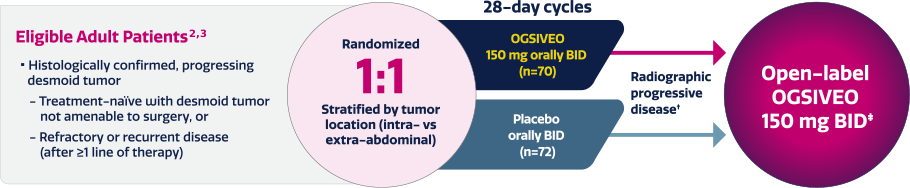
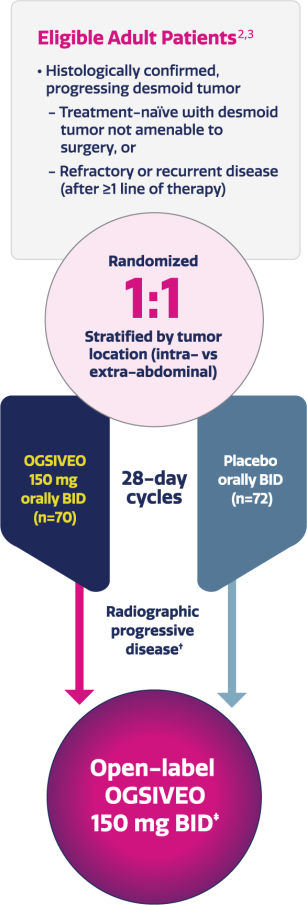
DeFi: An international, multicenter, randomized (1:1), double-blind, placebo-controlled, Phase 3 study of OGSIVEO in patients with progressing desmoid tumors not amenable to surgery. Patients had treatment-naïve, refractory, or recurrent disease (N=142).2,3
Primary End Point
Key Secondary Efficacy End Points§
Primary End Point
Key Secondary
Efficacy End Points§
Completed double-blind, randomized, Phase 3 trial in adult patients with desmoid tumors.2,3
Imaging-based progression or completion of the primary analysis.2
Eligible patients were given the option to enroll in the open-label extension phase.2
Additional secondary efficacy end points were evaluated in the DeFi study.2
Confirmed by repeat assessments that were performed no less than 4 weeks after the criteria for response were first met.2
Each cycle was 28 days.2
Long-term post hoc analysis of the DeFi study
Data cutoff date was August 13, 2024.4
Primary End Point:
Patients receiving OGSIVEO achieved a 71% reduction in the risk of disease progression or death vs placebo (HR=0.29; 95% CI: 0.15, 0.55; P<0.001*)3
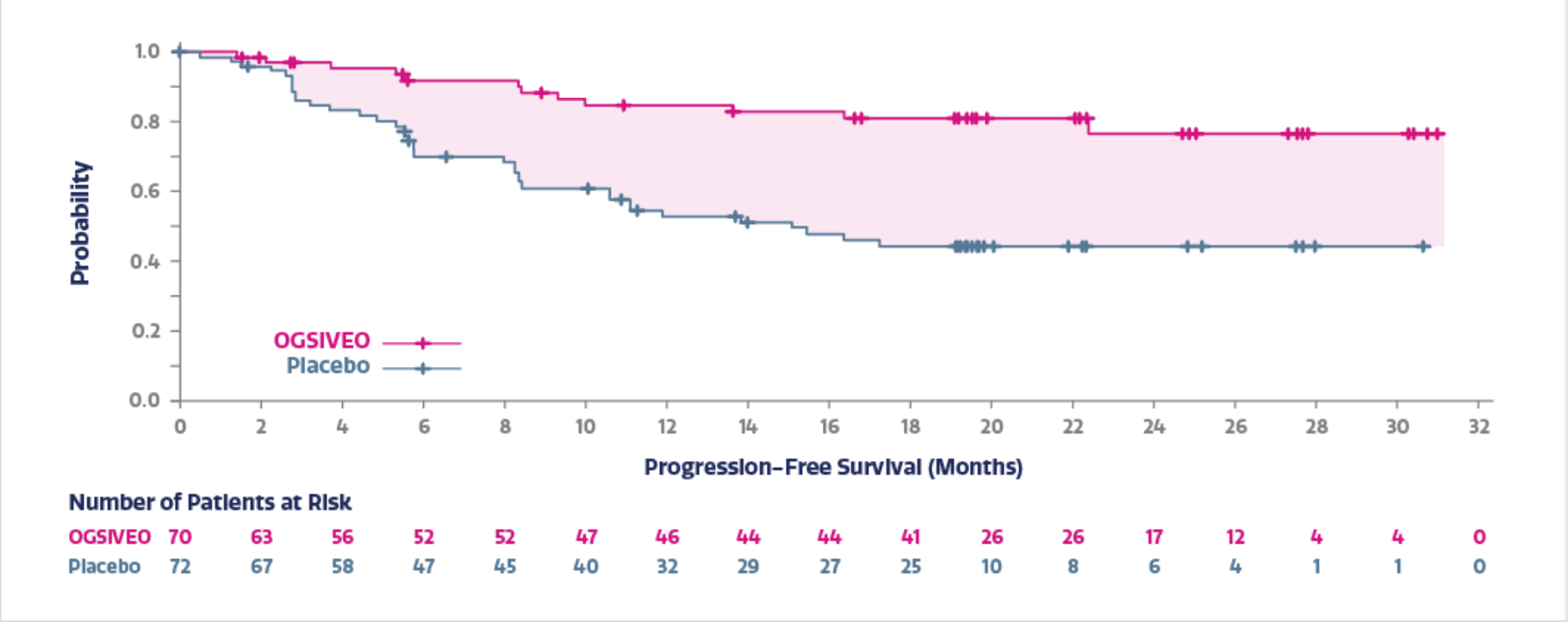
P-value was from a one-sided stratified log-rank test with placebo as reference.3
Progression-free survival was defined as the time from randomization until the date of imaging-based or clinical progression or death. Progression-free survival was based on RECIST v1.1 as assessed by blinded independent central review or on clinical progression by the investigator (and confirmed by independent review). Clinical progression required worsening of symptoms resulting in a global deterioration of health status causing the permanent discontinuation from trial treatment and the initiation of emergent treatment (eg, radiotherapy, surgery, or systemic therapy including chemotherapy or tyrosine kinase inhibitors) for desmoid tumors.2,3
Data cutoff as of April 7, 2022 for PFS.2
Obtained using Kaplan-Meier methodology.3
Double-Blind Phase:
Key Secondary Efficacy End Point:
OGSIVEO treatment resulted in a 41% objective response rate with a 7% complete response rate3
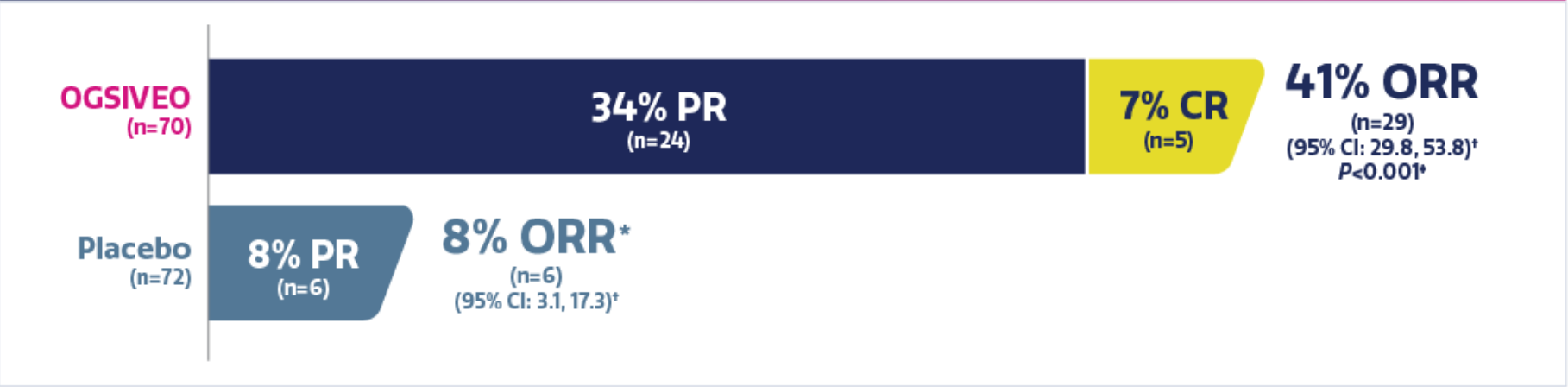
Response definitions were based on RECIST criteria
Desmoid tumors can have an unpredictable course and may exhibit spontaneous regression.5
Obtained using exact method based on binomial distribution.3
P-value was from a two-sided Cochran-Mantel-Haenszel test.3
Long-term post hoc analysis of the DeFi study
Objective response rate was 45.7% and complete response rate was 11.4% with OGSIVEO (up to 4-year exposure)4,6,*

OGSIVEO exposure, median (range): 33.6 (0.3-61.8) months.4
Median best percent change in target-tumor size after each year of treatment with OGSIVEO4,†
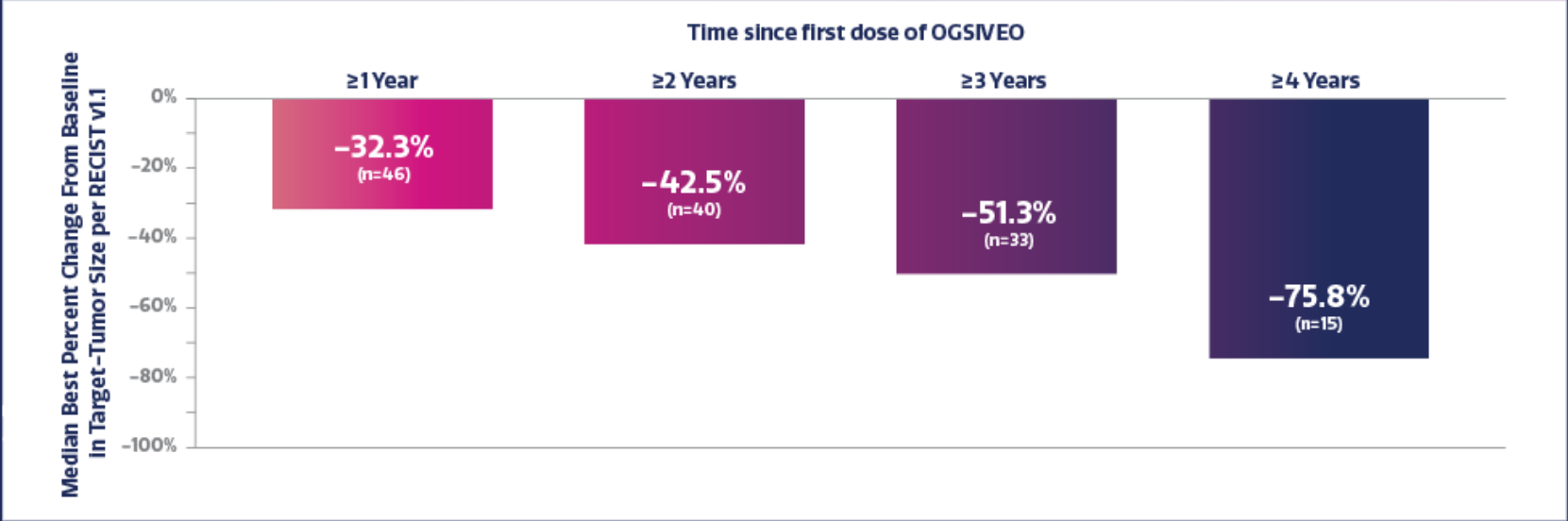
Objective response rate was defined as the proportion of patients with a confirmed best response of complete response or partial response assessed by central reader per RECIST v1.1. Results for patients receiving OGSIVEO for up to 4 years is presented.4,6
Best percent change from baseline was defined as the lowest value by landmark year, calculated as the sum of lesions read by independent central review.4
Analysis Limitations
95% of adverse events were Grade 1 or 2 and first onset for most patients occurred within 1 month of starting OGSIVEO2
Adverse reactions (≥15%) in patients with desmoid tumor who received OGSIVEO with a difference between the arms of ≥5% compared to placebo in DeFi3
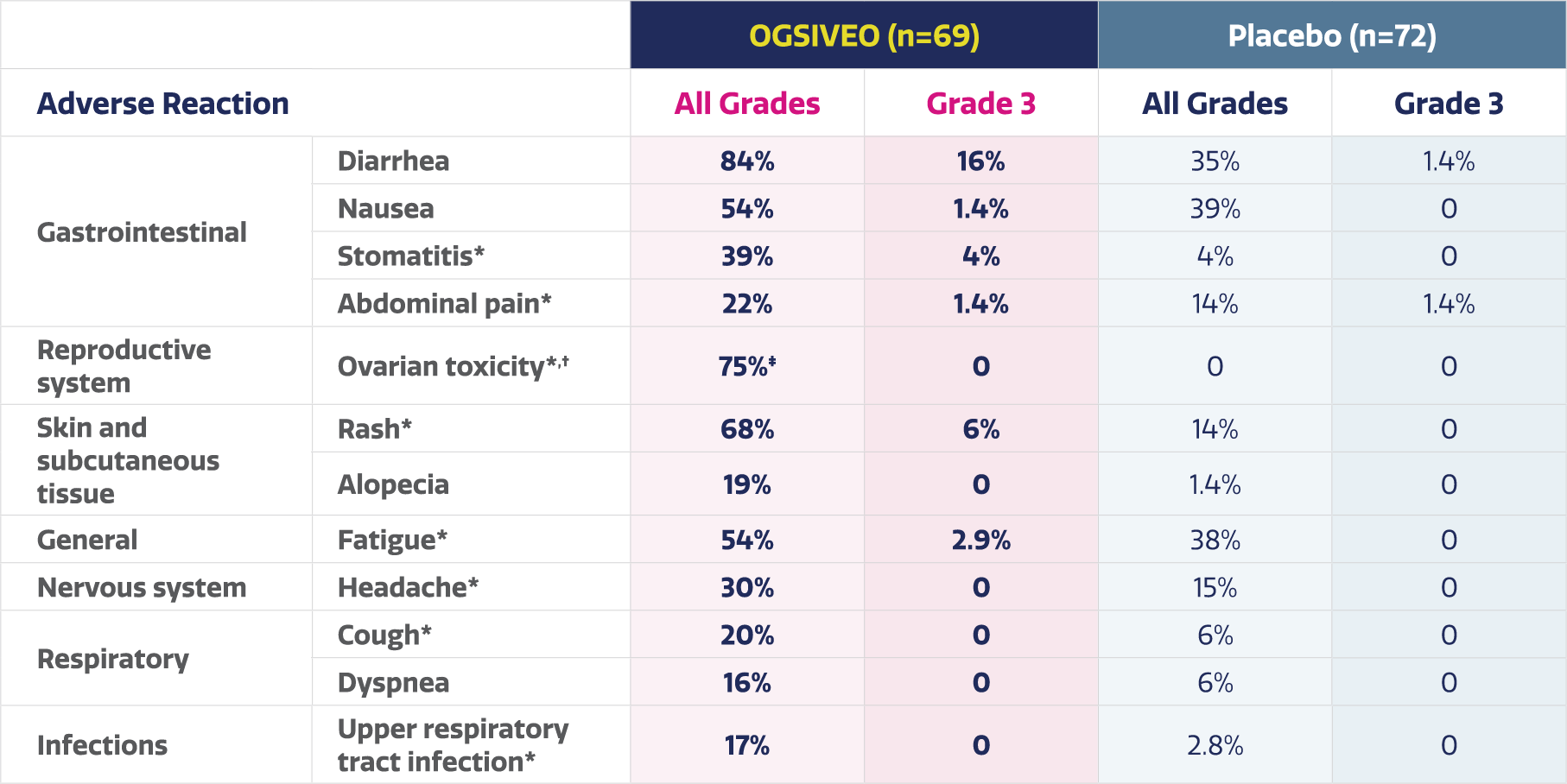
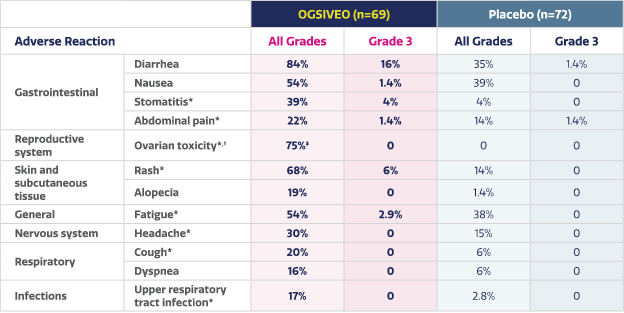
Includes multiple related composite terms.3
Investigator assessment of ovarian toxicity included ovarian failure, premature menopause, amenorrhea, and menopause.3
The number of females of reproductive potential in each arm is used as the denominator (OGSIVEO N=36, placebo N=37).3
Long-term post hoc analysis of the DeFi study
After a median duration of 33.6 months (range: 0.3 to 61.8 months) of treatment with OGSIVEO4:
Analysis Limitations
BID, twice daily; CI, confidence interval; CR, complete response; DB, double-blind; DeFi, Desmoid Fibromatosis; HR, hazard ratio; NR, not reached; OLE, open-label extension; ORR, objective response rate; PFS, progression-free survival; PR, partial response; RECIST, Response Evaluation Criteria in Solid Tumors; TEAE, treatment-emergent adverse event.
References: 1. Data on file. SpringWorks Therapeutics, Inc. February 1, 2024, through July 31, 2024. 2. Gounder M, Ratan R, Alcindor T, et al. Nirogacestat, a gamma-secretase inhibitor for desmoid tumors. N Engl J Med. 2023;388(10):898-912. 3. OGSIVEO. Prescribing Information. SpringWorks Therapeutics, Inc. 4. Ratan R, Kasper B, Alcindor T, et al. Efficacy and safety of long-term continuous nirogacestat treatment in adults with desmoid tumors: results from the DeFi trial. J Clin Oncol. 2025;43(34):3646-3651. 5. Penel N, Chibon F, Salas S. Adult desmoid tumors: biology, management and ongoing trials. Curr Opin Oncol. 2017;29(4):268-274. 6. Data on file. SpringWorks Therapeutics, Inc.



“ When choosing systemic therapies for adult patients with desmoid tumors, I rely on data from clinical trials...
Atif Hussein, MD
Program Director, Hematology Oncology Fellowship Program
Atif Hussein, MD
Program Director, Hematology Oncology Fellowship Program
Victoria Rizk, MD
Medical Oncologist, Sarcoma
Tampa General Hospital Cancer Institute
Tampa, Florida
Victoria Rizk, MD
Medical Oncologist, Sarcoma
Tampa General Hospital Cancer Institute
Tampa, Florida
Dr Victoria Rizk is a paid consultant of SpringWorks Therapeutics, Inc.
OGSIVEO is available in 150 mg and 100 mg tablets in blister packs
Blister packs may help simplify tracking of AM/PM dosing

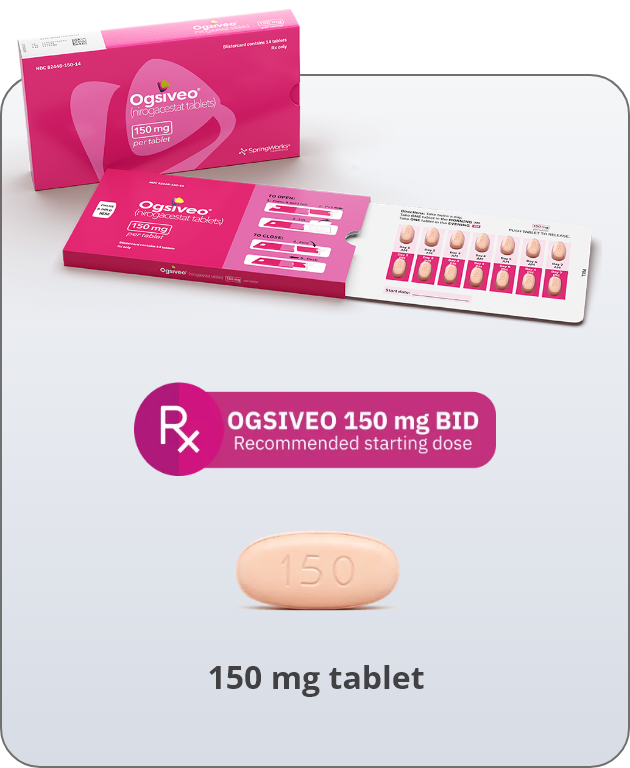
Tablets shown are not actual size.
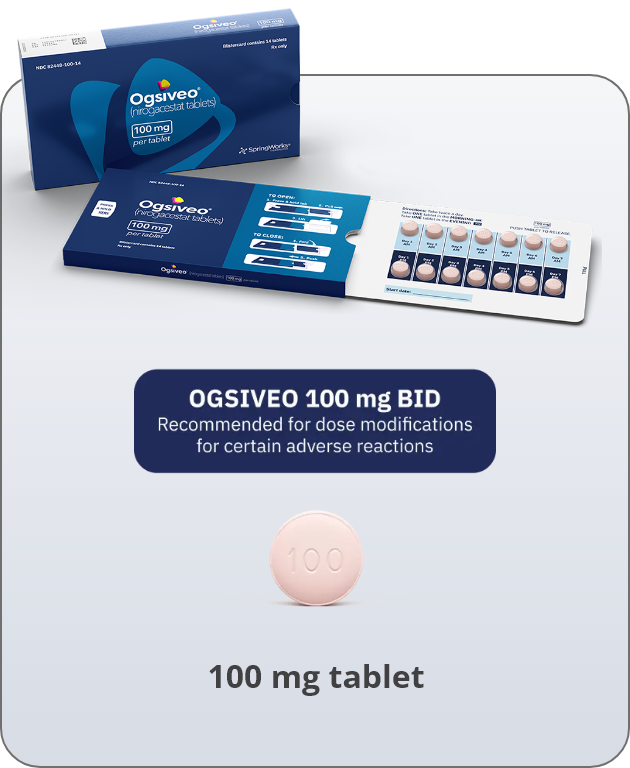
Tablets shown are not actual size.
Images shown are for illustration only.
Median time to onset of adverse reactions that led to dose reductions or discontinuations in ≥2% of patients receiving OGSIVEO in the DeFi study1,2*
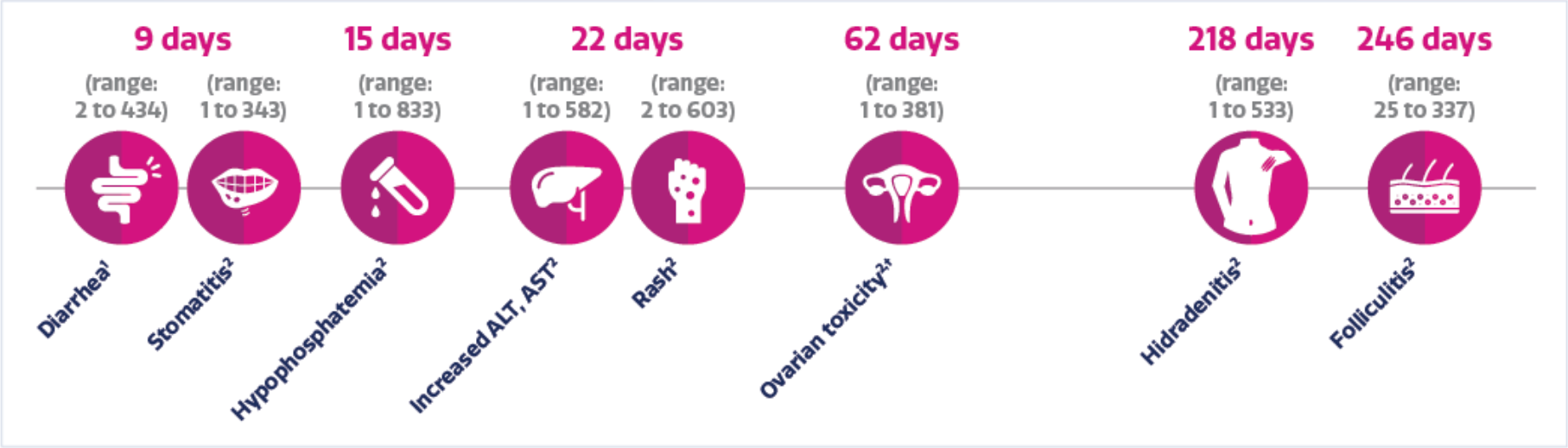
In patients who received OGSIVEO in the DeFi trial, 42% had dose reductions, 51% had dose interruptions, and 20% permanently discontinued due to an adverse reaction. Adverse reactions that led to dose reduction, interruption, or discontinuation in ≥2% of patients receiving OGSIVEO included: diarrhea, ovarian toxicity, increased ALT/AST, rash, stomatitis, hypophosphatemia, fatigue, folliculitis, nausea, and hidradenitis.1
In DeFi, ovarian toxicity was identified by investigators in females of reproductive potential based on abnormal reproductive hormone values or presence of perimenopausal symptoms (eg, changes in menstrual cycle regularity), or both.3
These are not all the possible side effects of OGSIVEO. Patients should consult their doctor for medical advice about side effects.
Recommended dose modifications for adverse reactions1
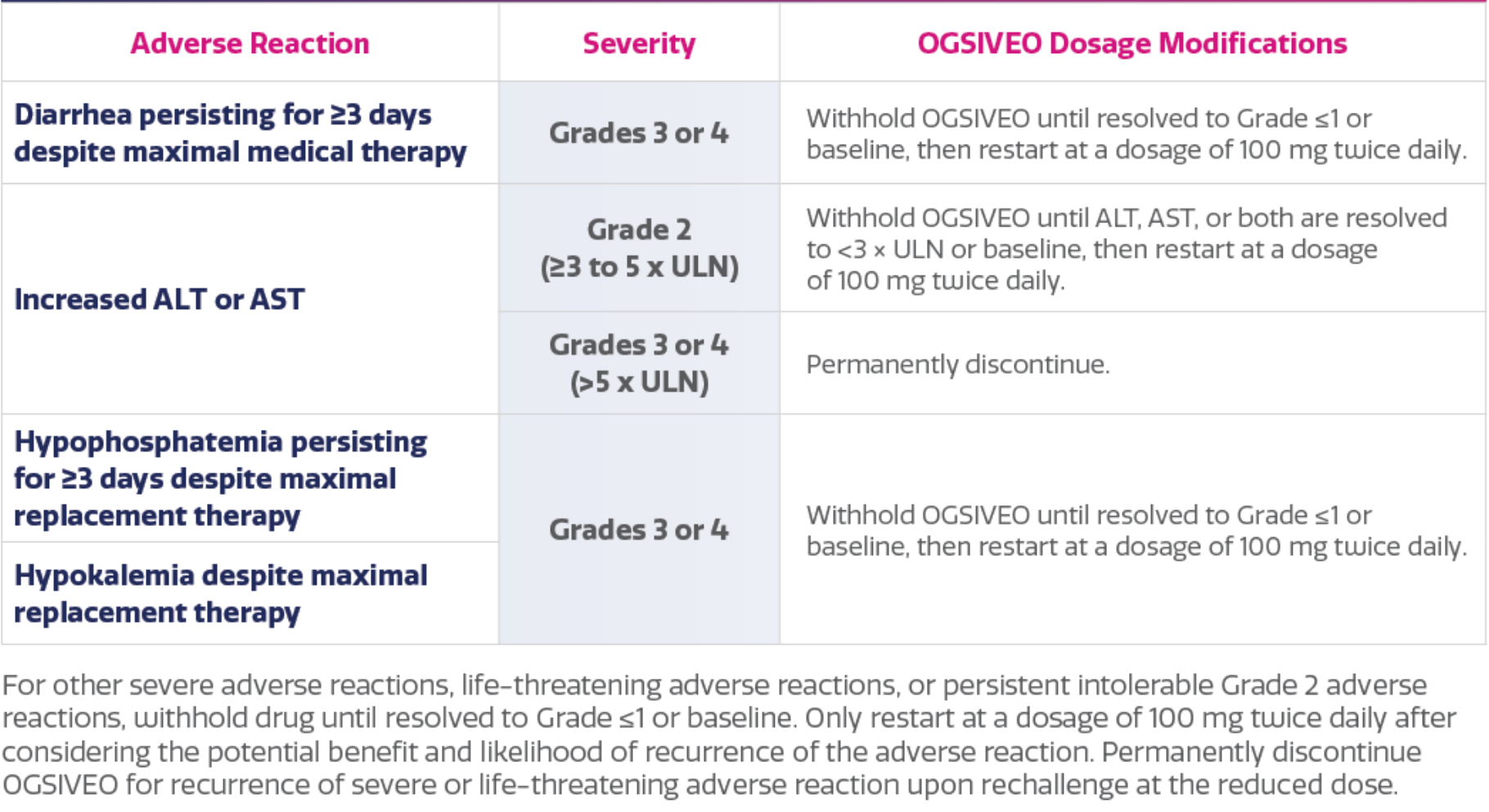
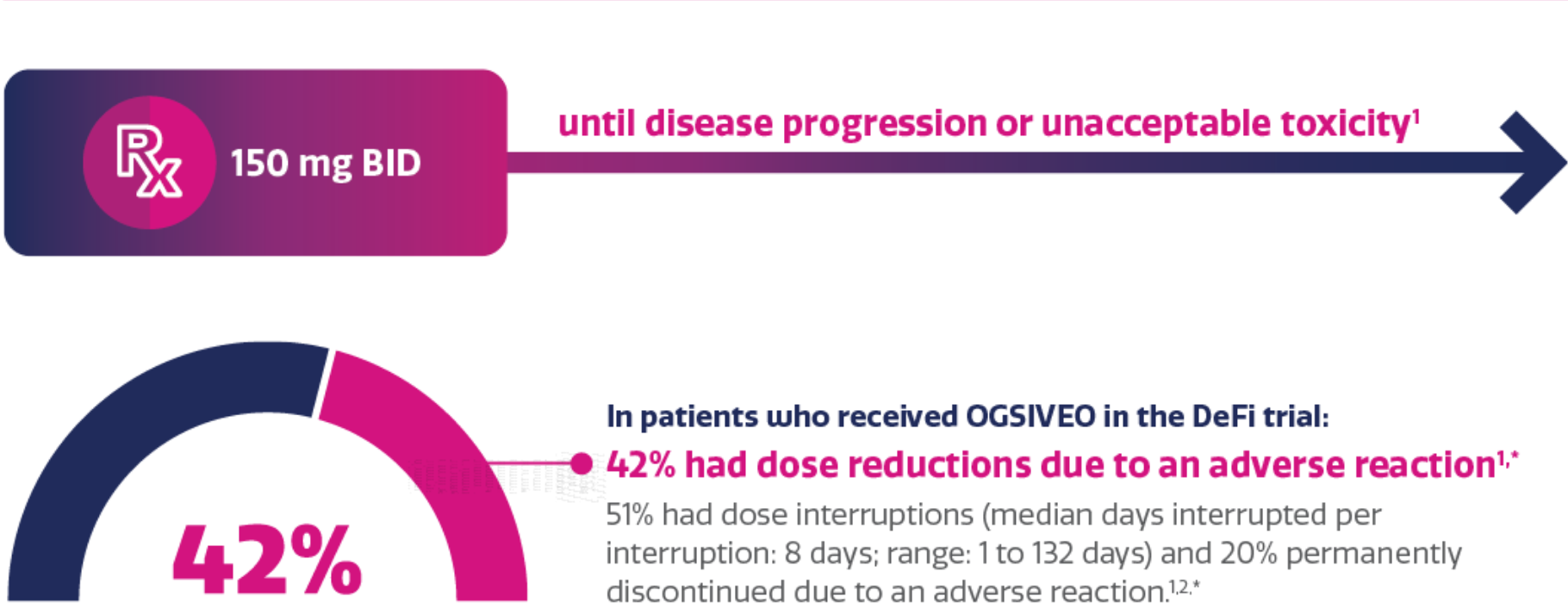
Adverse reactions that led to dose reduction, interruption, or discontinuation of OGSIVEO included: diarrhea, ovarian toxicity, increased ALT/AST, rash, stomatitis, hypophosphatemia, fatigue, folliculitis, nausea, and hidradenitis.1
For patients who were dose-reduced to 100 mg BID, no notable differences in PFS or ORR were observed2
Analysis Limitations
ALT, alanine aminotransferase; AST, aspartate aminotransferase; BID, twice daily; DeFi, Desmoid Fibromatosis; ORR, objective response rate; PFS, progression-free survival; ULN, upper limit of normal.
References: 1. OGSIVEO. Prescribing Information. SpringWorks Therapeutics, Inc. 2. Data on file. SpringWorks Therapeutics, Inc. 3. Loggers ET, Chugh R, Federman N, et al. Onset and resolution of ovarian toxicity with nirogacestat treatment in females with desmoid tumors: updated safety analyses from the DeFi phase 3 study. Cancer. 2024;130(16):2812-2821.


“ In addition to efficacy and safety, I also consider the route of administration when evaluating treatment options for my adult patients...
Victoria Rizk, MD
Medical Oncologist, Sarcoma
Tampa General Hospital Cancer Institute
Tampa, Florida
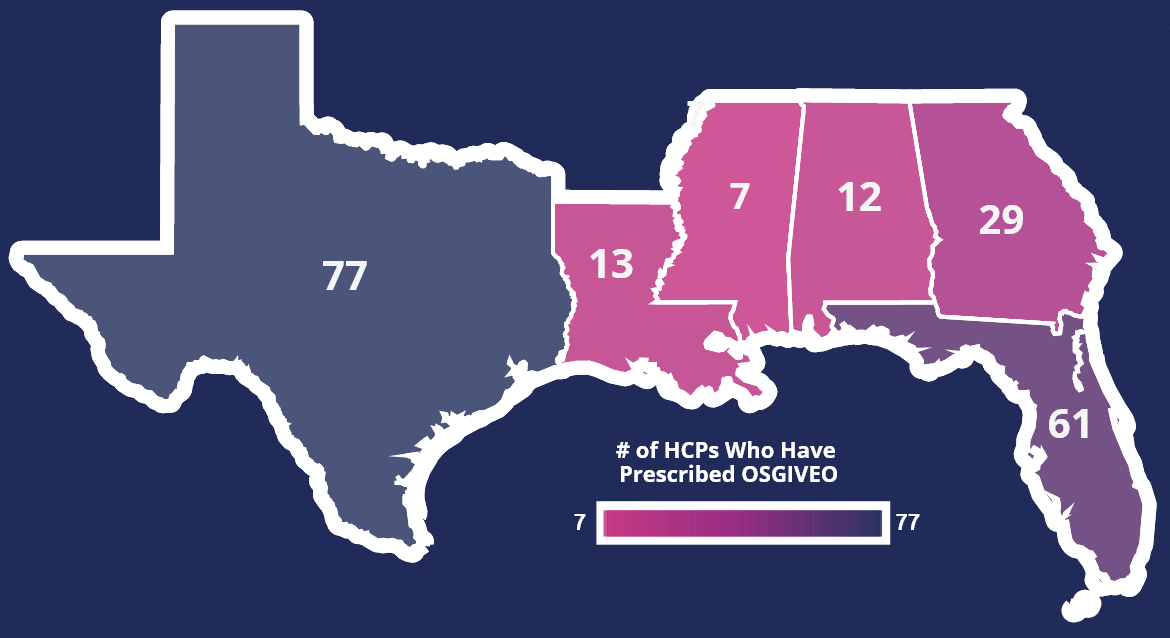
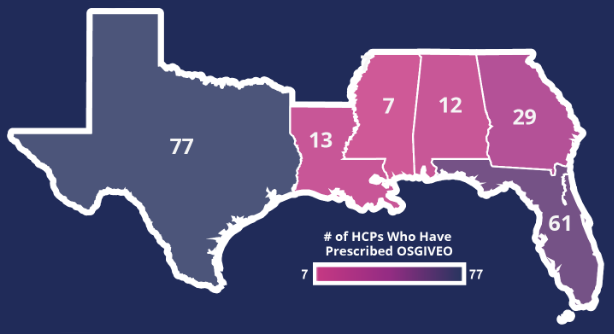
In the Southeast United States, OGSIVEO is the #1 prescribed systemic therapy for adults with desmoid tumors1
| Total in the United States |
Total in the Southeast United States |
|
|---|---|---|
| # of Patients With Desmoid Tumors1 | 19,780+* | 4320+* |
| *Based on desmoid tumor-specific ICD-10 code diagnosis (D48.11x) between November 2023 and June 2025. | ||
| # of HCPs Treating Patients With Desmoid Tumors With Active Treatment1 | 4860+* | 1010+* |
| *Reflects number of HCPs treating patients with a DT-specific ICD-10 diagnosis code with the following active treatment between November 2023 and June 2025: systemic therapy, surgery, and/or cryotherapy. | ||
| # of HCPs Prescribing OGSIVEO1 | 850+* | 190+* |
| *Reflects number of HCPs treating patients with a DT-specific ICD-10 diagnosis code and who prescribed at least 1 dose of OGSIVEO per unique patient through either SpringWorks specialty pharmacy network or through the SpringWorks CareConnections patient support program. This number does not include prescriptions through medically integrated dispensing pharmacies. | ||
| # of Patients With Desmoid Tumors1 | |
| *Based on desmoid tumor-specific ICD-10 code diagnosis (D48.11x) between November 2023 and June 2025. | |
| Total in the United States |
Total in the Southeast United States |
| 19,780+* | 4320+* |
| # of HCPs Treating Patients With Desmoid Tumors With Active Treatment1 | |
| *Reflects number of HCPs treating patients with a DT-specific ICD-10 diagnosis code with the following active treatment between November 2023 and June 2025: systemic therapy, surgery, and/or cryotherapy. | |
| Total in the United States |
Total in the Southeast United States |
| 4860+* | 1010+* |
| # of HCPs Prescribing OGSIVEO1 | |
| *Reflects number of HCPs treating patients with a DT-specific ICD-10 diagnosis code and who prescribed at least 1 dose of OGSIVEO per unique patient through either SpringWorks specialty pharmacy network or through the SpringWorks CareConnections patient support program. This number does not include prescriptions through medically integrated dispensing pharmacies. | |
| Total in the United States |
Total in the Southeast United States |
| 850+* | 190+* |
HCP, healthcare professional; NCCN, National Comprehensive Cancer Network® (NCCN®).
References: 1. Data on file. SpringWorks Therapeutics, Inc. 2. Referenced with permission from the NCCN Clinical Practice Guidelines in Oncology (NCCN Guidelines®) for Soft Tissue Sarcoma V.3.2026. © National Comprehensive Cancer Network, Inc. 2026. All rights reserved. Accessed March 13, 2026. To view the most recent and complete version of the guideline, go online to NCCN.org. NCCN makes no warranties of any kind whatsoever regarding their content, use or application and disclaims any responsibility for their application or use in any way.


OGSIVEO: A systemic therapy for adult patients with progressing desmoid tumors in the Southeast United States
OGSIVEO is indicated for adult patients with progressing desmoid tumors who require systemic treatment.
Warnings And Precautions
Adverse Reactions
Drug Interactions
Use in Specific Populations
Please click here for full Prescribing Information.
©2026 SpringWorks Therapeutics, Inc. All rights reserved. OGSIVEO is a registered trademark of SpringWorks Therapeutics, Inc.
C_OGS_US_0517 04/26
SpringWorks Therapeutics, Inc. is a healthcare company of Merck KGaA, Darmstadt, Germany.